Introduction: When Snoring Becomes a Sign of Something Serious
If your snoring is loud enough to shake the walls — or at least irritate your partner — it might be more than just an inconvenience. Loud, habitual snoring coupled with constant tiredness during the day could point to a more serious issue known as obstructive sleep apnea (OSA).
While occasional snoring is common, persistent, noisy snoring that disrupts your sleep quality is not something to ignore. It doesn’t just affect your rest; it affects your health, focus, and even your relationships. Many people in Singapore live for years unaware that their loud snoring is a symptom of sleep apnea. The result is poor sleep quality, constant fatigue, and an increased risk of health problems.
If this sounds familiar, it’s time to pay attention. Consulting an ENT doctor for sleep apnea can make a significant difference to your energy, productivity, and overall well-being. Recognising the signs early and seeking the right treatment can restore not only your sleep but also your quality of life.
Understanding the Difference: Snoring vs Sleep Apnea
What Happens When You Snore
Snoring occurs when airflow is partially blocked as it passes through the throat during sleep. The soft tissues in the back of the mouth, nose, or throat vibrate, producing the characteristic snoring sound.
While mild snoring is relatively harmless, frequent loud snoring may indicate that airflow is significantly restricted — a sign of something more serious happening beneath the surface.
What Is Obstructive Sleep Apnea (OSA)?
Sleep apnea is a sleep-related breathing disorder where your breathing repeatedly stops and starts through the night. The most common form, obstructive sleep apnea, happens when the muscles in your throat relax too much, causing your airway to collapse temporarily.
These pauses in breathing can last for several seconds, reducing oxygen levels and forcing your brain to wake you slightly to reopen the airway. Over time, this constant interruption leads to poor-quality sleep and excessive tiredness during the day.
Why ENT Specialists Play a Key Role
An ENT doctor (Ear, Nose, and Throat specialist) focuses on the structures most often responsible for snoring and sleep apnea — such as the nasal passages, tonsils, soft palate, and tongue base. Identifying anatomical causes is crucial to creating a targeted treatment plan that improves breathing and restores quality sleep.
Recognising the Warning Signs
1. Loud, Persistent Snoring
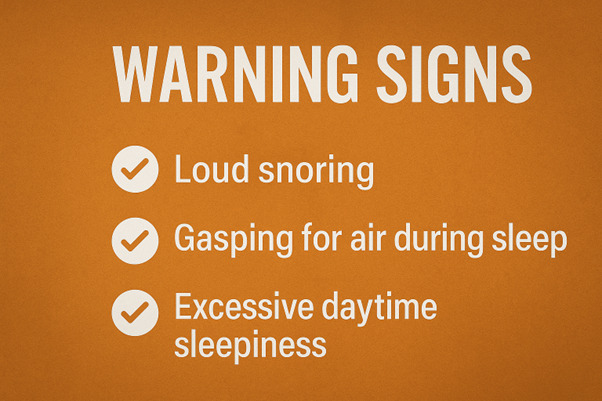
Snoring that occurs nightly and can be heard from another room is rarely “normal.” If your partner or family members complain about the noise, it’s worth paying attention. Consistent loud snoring is a major red flag for sleep apnea.
2. Pauses in Breathing or Gasping
If someone has noticed you stop breathing for short periods, gasp, or choke in your sleep, it may signal airway blockage. These breathing pauses reduce oxygen levels, leading to restless sleep and frequent awakenings — often without you realising it.
3. Daytime Fatigue and Morning Headaches
One of the most common symptoms of sleep apnea is waking up tired, regardless of how long you’ve slept. Poor oxygen flow and fragmented sleep can cause persistent fatigue, morning headaches, and even memory lapses. If you feel sluggish throughout the day despite “sleeping enough,” it’s time to investigate further.
4. Other Risk Factors
Certain factors increase the likelihood of developing OSA, such as obesity, nasal obstruction, a receding jawline, or enlarged tonsils. Men over 50 and individuals with high blood pressure are also at higher risk. If several of these apply to you, seeing an ENT doctor for sleep apnea assessment is advisable before symptoms worsen.
Why Ignoring These Symptoms Can Be Risky
Impact on Your Health
Untreated sleep apnea does more than disrupt sleep — it can affect your entire body. The constant drop in oxygen levels can strain your cardiovascular system, increasing the risk of hypertension, heart disease, and stroke.
Chronic fatigue can also lower productivity, impair decision-making, and increase accident risk, especially when driving.
Impact on Your Quality of Life
Sleep deprivation doesn’t just make you tired — it affects your mood and relationships. Many patients report irritability, low energy, and even depression due to prolonged poor sleep.
Moreover, loud snoring can disturb your partner’s rest, affecting both of you and creating unnecessary tension at home.
Early Action Makes a Difference
The good news is that early diagnosis and treatment can significantly improve sleep quality and reduce health risks. Consulting an ENT specialist allows targeted intervention before complications arise, helping you regain both restful nights and energised days.
When to See an ENT Doctor
You should visit an ENT clinic if you experience loud, nightly snoring accompanied by daytime sleepiness, your partner observes breathing pauses or gasping during your sleep, lifestyle adjustments such as weight loss or positional changes have not helped, or you have existing conditions like nasal blockage, high blood pressure, or obesity.
ENT specialists in Singapore have the tools and expertise to identify the exact cause of your breathing obstruction. Whether the problem lies in your nose, throat, or palate, understanding the source is the first step toward effective sleep apnea treatment in Singapore.
What to Expect at Your Consultation
Initial Evaluation
Your ENT doctor will start by discussing your symptoms, lifestyle, and sleep habits. They may ask if you snore loudly, feel drowsy during the day, or have been told you stop breathing in your sleep.
Next, they will perform a physical examination of your nose, mouth, and throat to look for any structural issues such as enlarged tonsils, deviated nasal septum, or excessive soft tissue in the airway.
Nasoendoscopy and Sleep Study
A nasoendoscopy — a simple in-clinic procedure using a thin flexible camera — allows the doctor to visualise your airway in detail. This helps pinpoint specific areas causing obstruction. You may also be referred for a sleep study (polysomnography), either in a hospital sleep lab or via a convenient home test. This records your breathing, oxygen levels, heart rate, and sleep patterns overnight to confirm if you have OSA and its severity.
Personalised Treatment Discussion
Once results are ready, your ENT doctor will discuss your diagnosis and outline suitable treatment options. Depending on the findings, your plan may involve lifestyle adjustments, medical devices, or corrective surgery.
Treatment Options for Sleep Apnea

Lifestyle Modifications
For mild cases, simple changes can make a difference. These include maintaining a healthy weight, sleeping on your side instead of your back, and avoiding alcohol or sedatives before bedtime. Managing nasal allergies or sinus congestion can also reduce snoring intensity.
Continuous Positive Airway Pressure (CPAP)
CPAP therapy remains the gold standard for moderate to severe OSA. The device delivers gentle air pressure through a mask, keeping your airway open throughout the night. Many patients notice a dramatic improvement in alertness and sleep quality once they adapt to CPAP.
Oral Appliances
Custom-made dental devices can reposition the lower jaw or tongue to prevent airway collapse during sleep. These are particularly useful for mild to moderate OSA or for patients who struggle to tolerate CPAP.
Surgical Options
When anatomical blockages are identified, your ENT specialist may recommend surgery. Procedures might involve correcting a deviated septum, reducing enlarged turbinates, removing tonsils, or tightening the soft palate. These surgeries aim to widen the airway and reduce vibration, allowing smoother airflow and quieter nights.
Ongoing Care and Monitoring
Sleep apnea is a long-term condition, and regular follow-up with your ENT doctor ensures that your treatment remains effective. Adjustments may be made based on your progress, lifestyle changes, or new symptoms.
Living Well After Treatment
Improving sleep quality often brings noticeable benefits within weeks. Many patients report enhanced concentration, better mood, and renewed energy. Treating OSA can also stabilise blood pressure and reduce strain on the heart.
For long-term success, consistency matters — using prescribed therapies nightly and maintaining healthy sleep habits ensures lasting results.
Why Choose an ENT Doctor for Sleep Apnea in Singapore
Singapore’s ENT specialists are uniquely positioned to manage both snoring and OSA because of their deep understanding of airway anatomy. They can evaluate structural blockages that general practitioners may not detect and provide comprehensive sleep apnea treatment in Singapore. Whether your issue stems from nasal obstruction, tonsil enlargement, or throat collapse, an ENT doctor can design an integrated approach — from diagnosis to surgical or non-surgical therapy — tailored to your needs.
Conclusion: Restoring Health and Confidence Through Better Sleep
Loud snoring and constant tiredness should never be dismissed as “normal.” These symptoms may be your body’s way of signalling that you’re not getting enough oxygen at night.
If your rest feels unrefreshing, or your partner notices pauses in your breathing, it’s time to see an ENT doctor for sleep apnea evaluation. Early diagnosis and treatment can dramatically improve your sleep quality, energy levels, and overall health. With proper guidance and a personalised approach, you can regain control over your nights and your days.
When you commit to improving your sleep, you’re investing in your future well-being. The right sleep apnea treatment in Singapore can restore restful nights, clearer mornings, and a renewed sense of vitality — for yourself and those who share your life (and bedroom).