
Snoring Louder Than Before: Signs You Need an ENT Specialist Assessment
Snoring can start as an occasional nuisance and gradually become something far more disruptive—waking partners, fragmenting sleep, and leaving you tired even after a full night in bed.
While snoring is common, worsening snoring warrants attention. In some people, it is simply linked to nasal blockage or weight gain. In others, it can be an early sign of a more significant airway issue, including obstructive sleep apnea (OSA).
An ENT specialist (ENT doctor) is often well placed to assess snoring because many causes originate in the upper airway—the nose, sinuses, throat, soft palate, tonsils, and tongue base.
The goal of assessment is not just to “stop the noise” but to identify what is causing airway vibration or collapse and to rule out conditions that can affect long-term health.
This article explains when worsening snoring should be checked, what happens during an ENT clinic assessment, and which treatments are most likely to help.
Why does snoring get worse over time?
Snoring occurs when airflow becomes turbulent and makes soft tissues vibrate during sleep. Worsening snoring usually means there has been a change in airway size, tone, or resistance.
Common reasons include:
- Nasal congestion or blockage: allergies, chronic rhinitis, chronic sinusitis, nasal polyps, or a deviated septum can increase resistance and force mouth breathing, which often worsens snoring.
- Weight gain: extra tissue around the neck and tongue can narrow the airway, increasing vibration and the risk of obstruction.
- Age-related changes: muscle tone decreases with age, making the airway more likely to collapse during sleep.
- Alcohol and sedatives: these relax airway muscles and can make snoring louder and more frequent.
- Sleeping position: Snoring is often worse on the back because the tongue and soft palate fall backward.
- Enlarged tonsils or adenoids: particularly relevant in children, but also possible in adults.
- Jaw or facial structure: a smaller jaw, a narrow airway, or certain bite patterns can contribute.
Worsening snoring is not automatically dangerous. However, it is a reason to check whether the airflow is simply noisy or intermittently blocked.
Snoring vs sleep apnea: what is the difference?
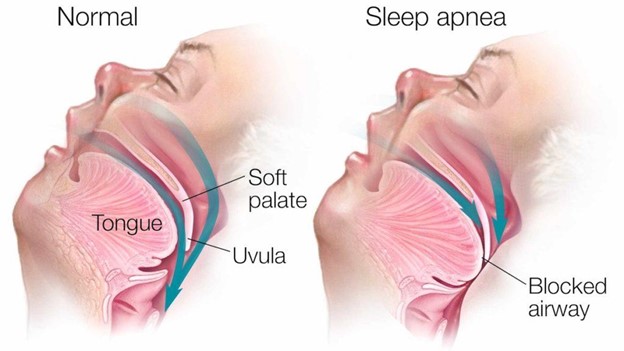
Not all snoring is sleep apnea, but many people assume it is “just snoring” when sleep apnea is actually present.
Snoring
- Noisy breathing during sleep
- Often worse with nasal blockage, alcohol, tiredness, or sleeping on the back
- Can still disturb sleep quality (even without apnea)
Obstructive sleep apnea (OSA)
- Repeated airway narrowing or collapse during sleep
- May cause breathing pauses, gasping, choking, or restless sleep
- Often linked to daytime fatigue and health risks if untreated.
Because OSA can have wider implications—such as cardiovascular strain and reduced daytime alertness—it is important to assess snoring when red flags are present.
Signs you should see an ENT specialist for snoring
Consider an ENT clinic assessment if any of the following apply:
- Your snoring is noticeably getting louder or more frequent
- Your partner notices breathing pauses, choking, or gasping sounds.
- You wake up unrefreshed despite adequate time in bed.
- You have morning headaches, dry mouth, or sore throat on waking.
- You have daytime sleepiness, irritability, or poor concentration.
- You frequently wake to urinate at night (in some cases linked with OSA)
- You have persistent nasal blockage, sinus symptoms, or mouth breathing.
- You have high blood pressure, heart disease, or metabolic risk factors.
- You are in a safety-critical job, or you drive long hours and feel sleepy.
When to seek more urgent assessment
If there are significant breathing pauses, severe daytime sleepiness, or episodes of nodding off during the day, you should seek medical assessment promptly.
What causes snoring in the upper airway?
An ENT specialist typically considers where the blockage or vibration originates. Common areas include:
Nasal and sinus causes
- Deviated septum
- Enlarged turbinates
- Allergic or non-allergic rhinitis
- Chronic sinusitis or nasal polyps
These issues increase resistance and often force mouth breathing, which can amplify snoring.
Throat causes
- Soft palate vibration
- Enlarged tonsils
- A long uvula
- Narrow throat anatomy
- Tongue base crowding (especially when lying on the back)
Often, snoring has multiple contributing factors, which is why assessment can be valuable.
What to expect at an ENT clinic assessment

A structured ENT assessment usually includes:
Medical history and symptom review
Your ENT doctor may ask:
- How long has snoring been present, and how has it changed
- Whether there are witnessed breathing pauses or gasping
- Sleep quality, daytime fatigue, and morning symptoms
- Alcohol intake, sedatives, and smoking
- Nasal blockage, sinus symptoms, or reflux symptoms
- Weight changes and medical history (blood pressure, diabetes, heart conditions)
Physical examination
An ENT specialist will assess:
- Nasal airflow and internal nasal structures
- Throat anatomy (tonsils, palate, uvula)
- Tongue size and jaw alignment
- Neck circumference and airway features
Nasal endoscopy (when indicated)
If nasal blockage is prominent, a nasal endoscopy may be performed using a thin camera to assess internal swelling, polyps, or structural narrowing. This is usually quick and may involve a numbing spray.
Sleep study referral (if sleep apnea is suspected)
If symptoms suggest OSA, your ENT doctor may recommend a sleep study to measure breathing events and oxygen levels during sleep. This helps guide treatment selection and urgency.
Treatment options that can reduce snoring and improve airway health
Treatment depends on the cause. The most effective approach targets both airway resistance and lifestyle contributors.
Lifestyle measures that often help
- Weight management: Even modest weight reduction can improve snoring and OSA severity in some individuals.
- Sleep position: Side sleeping can reduce snoring for many people.
- Avoid alcohol near bedtime, especially within several hours of sleep.
- Sleep hygiene: regular sleep schedule and adequate rest can reduce airway collapse related to fatigue.
- Stop smoking: Smoking irritates the airway tissues and increases swelling.
Lifestyle steps are rarely “the whole answer” for persistent snoring, but they often improve outcomes alongside medical care.
Nasal and sinus treatment
If nasal blockage is a key contributor, an ENT specialist may recommend:
- saline rinses
- steroid nasal sprays (used consistently)
- allergy management if allergic rhinitis is present
- targeted treatment for chronic sinusitis or polyps
Improving nasal breathing can reduce mouth breathing and lessen snoring intensity.
Oral appliances (for suitable patients)
Some people benefit from mandibular advancement devices fitted by trained dental professionals. These can help hold the jaw forward during sleep to maintain airway space, especially in mild to moderate cases.
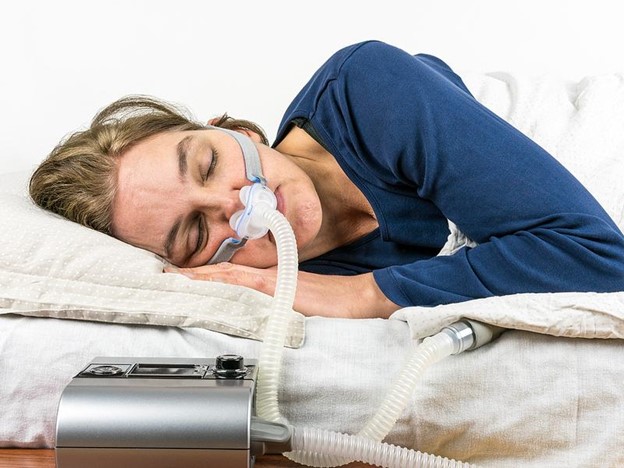
CPAP for obstructive sleep apnea
If a sleep study confirms OSA, CPAP therapy is often the most effective non-surgical treatment. It prevents airway collapse by providing steady air pressure during sleep. Many patients report improved energy and sleep quality once they adapt to it.
ENT procedures and surgery (selected cases)
When anatomy plays a major role, ENT treatment options may include:
- procedures to improve nasal airflow (for example, addressing septal deviation or turbinate enlargement)
- tonsil treatment when the tonsils contribute significantly
- selected airway procedures when appropriate, depending on findings and severity
A careful ENT evaluation is essential because surgery is not suitable for everyone, and outcomes depend on selecting the right procedure for the right patient.
How to prepare for your ENT appointment
To get the most from your visit:
- Ask your partner to note the snoring pattern, breathing pauses, and choking episodes
- record morning symptoms (headaches, dry mouth, sore throat)
- List your current medications, including sedatives or allergy treatments
- Note alcohol intake and bedtime routines
- If possible, bring a short audio recording of snoring (useful in some cases)
Key takeaways: when to book an ENT clinic assessment
Snoring that is getting worse should not be ignored—especially if it is linked to poor sleep, daytime fatigue, or witnessed breathing pauses. An ENT specialist can assess whether the issue is primarily nasal, throat-based, or part of obstructive sleep apnea, and guide you towards treatment that addresses the real cause.
If your snoring has become louder, more frequent, or is accompanied by choking, gasping, persistent tiredness, or morning headaches, booking an ENT clinic assessment is a sensible next step. The earlier airway issues are identified, the easier it is to improve sleep quality and reduce long-term health risks.