
Sinus Pressure, Headaches, Cheek Pain: Choosing the Right Doctor to Book
Facial pain and pressure can be deceptively confusing. One day it feels like a blocked nose and heavy cheeks; the next, it’s a tight band around the eyes, a headache behind the forehead, or a toothache that doesn’t behave like a dental problem.
Because “sinus” symptoms sit close to the eyes, teeth, ears, and jaw, it’s easy to book the wrong appointment and lose time (and patience) before you get relief.
So, who should you actually book: a sinus doctor or an ENT doctor?
Here’s the practical answer: a sinus doctor is often an ENT doctor with a particular focus on nose and sinus conditions. Many clinics use “sinus doctor” as a patient-friendly way to describe a doctor who treats sinusitis, nasal blockages, allergies, and related facial pressure.
Meanwhile, ENT doctors (Ear, Nose and Throat specialists) cover a wider range—sinuses, yes, but also ear infections, tonsils, voice issues, dizziness, and more.
In this guide, you’ll learn how to match your symptoms to the right clinician, what to expect at your visit, and when facial pain and pressure needs urgent attention.
What people mean by “sinus doctor”
In everyday language, a “sinus doctor” usually refers to a clinician who regularly treats:
- Acute and chronic sinusitis
- Nasal blockage and deviated septum
- Nasal polyps
- Allergic rhinitis (hay fever)
- Post-nasal drip
- Facial pressure linked to nasal inflammation
In many settings, that person is an ENT specialist with extra interest or training in rhinology (nose and sinus care). Some clinics also use the term for convenience because it immediately signals what they handle—sinus-related complaints.
What an ENT doctor covers (and why it matters)
An ENT doctor is trained to diagnose and treat conditions affecting:
- Ears: infections, hearing loss, tinnitus, balance problems
- Nose & sinuses: blockage, rhinitis, sinusitis, polyps, nosebleeds
- Throat & voice: tonsillitis, reflux-related throat irritation, voice strain, swallowing issues
- Neck & glands: lumps, thyroid concerns, salivary gland problems
This broad scope matters because facial pain and pressure isn’t always caused by the sinuses. Booking an ENT can be useful when symptoms overlap, feel “unusual”, or keep recurring despite standard treatment.
Is your facial pain actually sinus-related?
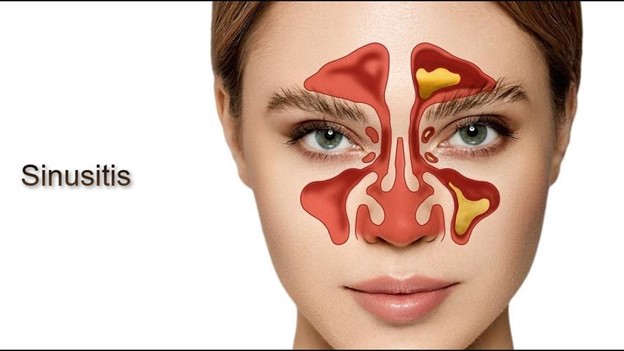
Sinus pain tends to follow patterns, but it can still be misleading. Sinus-related pressure often includes:
- Blocked or congested nose (one or both sides)
- Thick nasal discharge (sometimes discoloured)
- Reduced sense of smell
- Pressure around the cheeks, eyes, forehead, or bridge of the nose
- Worsening with colds, allergies, or seasonal triggers
- Post-nasal drip with throat clearing or cough
- “Full” feeling in the face, especially when bending forward
However, a key point many people miss: not all facial pressure is sinusitis, and not all sinusitis causes obvious discharge. That’s why choosing the right assessment matters.
When a “sinus doctor” appointment makes sense
Book a sinus-focused appointment (often within an ENT clinic) when your symptoms are mainly nasal and pressure-based, such as:
- Facial pressure with persistent congestion
- Recurrent sinus infections (several episodes a year)
- Symptoms lasting more than 10 days after a cold
- Thick mucus plus facial heaviness and fatigue
- Ongoing post-nasal drip and blocked nose
- Suspected nasal polyps (blocked nose + reduced smell)
- Pressure that improves temporarily with decongestants but returns quickly
If your main complaint is “my face feels heavy, my nose is blocked, and my pressure won’t shift,” a sinus-led assessment is a logical first step.
When you should choose an ENT doctor over “sinus-only” thinking
Choose an ENT doctor (or ensure your “sinus doctor” is an ENT specialist) when:
- Facial pain comes with ear pain, hearing changes, or dizziness
- You have frequent sore throats, snoring, mouth-breathing, or sleep disruption
- There’s hoarseness, swallowing discomfort, or persistent throat symptoms
- You’ve tried multiple treatments and the pattern keeps returning
- Symptoms are one-sided, severe, or feel different from your usual “sinus” episodes
- You have a history of nasal surgery, polyps, asthma, or immune conditions
Because ENT specialists are trained to look beyond the sinuses, they’re well placed to investigate overlapping causes and avoid “treating the wrong problem” repeatedly.
Common conditions that mimic sinus pain
This is where many people lose months. Facial pain can come from several sources, including:
Migraine and headache disorders
Migraines can cause pressure around the eyes and forehead, light sensitivity, nausea, and nasal symptoms that look “sinus-like”. If you have throbbing pain, one-sided headaches, or visual triggers, sinusitis may not be the driver.
Dental issues (yes, even if your teeth look fine)
Upper molar infections and jaw problems can refer pain to the cheeks and mimic sinus pressure. If pain worsens when chewing or is very localised to one side, a dental check may be needed alongside ENT evaluation.
Temporomandibular joint disorder (TMJ)
Jaw clenching or grinding can cause facial aching, temple pressure, and ear discomfort. It often worsens with stress and morning tightness.
Neuralgia and nerve pain
Sharp, electric-shock-like facial pain is less typical of sinusitis. This needs proper assessment.
Eye strain and vision problems
Eye pressure and frontal discomfort can come from uncorrected vision issues or prolonged screen use, sometimes alongside dry eyes.
An ENT assessment can help rule in/out nasal causes, but don’t be surprised if the best solution involves a collaborative approach.
What to expect at your first appointment
A good appointment for facial pressure should feel structured, not rushed. Typically, it includes:
- A detailed symptom history (timing, triggers, one-sided vs both, severity)
- Review of previous medications and how you responded
- Examination of the nose, throat, and ears
- Nasal endoscopy in some cases (a small camera to check swelling, discharge, polyps, septum shape)
- Consideration of allergy contribution
- Discussion on whether imaging is helpful (often a CT scan of the sinuses when chronic or complicated symptoms are suspected)
The goal is not just “confirm sinusitis”, but to identify why symptoms keep happening and what will give the most reliable relief.
Treatment pathways: what changes based on the diagnosis

If it’s acute sinusitis
Treatment may include symptom control, nasal saline rinses, anti-inflammatory nasal sprays, and targeted medication when appropriate. The focus is reducing inflammation and supporting drainage.
If it’s chronic sinusitis or polyps
Longer-term inflammation control becomes central. You may need nasal steroid sprays, saline rinsing routines, allergy management, and follow-up checks. In selected cases, procedures or surgery may be discussed—especially when blockage is structural or polyps are significant.
If it’s mainly allergy-driven
Allergic rhinitis can create constant swelling and pressure even without infection. A plan may include trigger reduction, appropriate antihistamines, nasal sprays, and sometimes allergy testing.
If it’s not sinus at all
This is still a win. Knowing you don’t need endless antibiotics or decongestants means you can move towards the correct solution—whether that’s migraine management, dental treatment, or TMJ care.
Red flags: when to seek urgent medical attention
Facial pain is usually not dangerous, but certain symptoms shouldn’t wait:
- Swelling or redness around the eye, or vision changes
- Severe headache with fever, neck stiffness, or confusion
- One-sided facial swelling that is rapidly worsening
- Persistent nosebleeds or unusual nasal discharge (especially if one-sided and ongoing)
- New neurological symptoms (weakness, numbness, speech changes)
- High fever and feeling very unwell, especially with worsening facial pain
If you notice these, seek urgent care promptly.
Quick booking guide: which one should you choose?

If you want a simple rule of thumb:
- Mostly nasal blockage + pressure + recurring sinus patterns: book a sinus-focused ENT (often labelled “sinus doctor”).
- Pressure plus ear/throat symptoms, unusual patterns, or repeated failed treatments: book an ENT specialist for broader evaluation.
- Sharp electric pain, strong migraine features, or chewing-related pain: consider ENT plus the relevant provider (neurology/dentist/GP), depending on your dominant symptoms.
Final thoughts: the best booking choice is the one that gets the right diagnosis
Facial pain and pressure is a symptom, not a diagnosis. The fastest route to relief is choosing a clinician who can confirm whether the issue is truly sinus-related—and if not, point you in the right direction without guesswork.
In many cases, the “sinus doctor vs ENT doctor” decision isn’t either/or. The ideal appointment is often with an ENT specialist experienced in sinus conditions, because you get focused sinus expertise plus the ability to assess the wider ENT picture when the problem isn’t straightforward.
If your symptoms are persistent, recurring, or affecting sleep and daily function, don’t just keep rotating the same remedies. Visit https://drkhliment.com.sg/sinus-specialist-singapore-sinusitis-surgery-treatment/ to book an appointment with a sinus specialist to get the right evaluation—and get a plan built around the real cause.